Anthropic IPO bets and what creators can learn
Notable Capital put roughly 10% of the U.S. slice of its $1 billion-plus fund into Anthropic’s Series E, and that bet looked huge at the time. According to TechCrunch, Anthropic later reached an $81.3 billion IPO on Wednesday and a fully diluted valuation of about $1.5 trillion before trading started the next day.
The money came in while Anthropic was still behind OpenAI in the market and while DeepSeek had just released its R1 model. That makes the story useful for creators who build with AI: the companies investors backed were the ones developers were already choosing, and that behavior is one of the clearest signals to watch before a product becomes standard in a workflow.
What happened and why investors kept buying
Notable Capital, GIC, and Baillie Gifford all backed Anthropic before its IPO, and each one entered at different points in the company’s climb. Notable put a large share of its fund into the Series E at a $61.5 billion valuation, GIC later stepped in across Series F, Series G, and the pre-IPO round, and Baillie Gifford built its position over three rounds as Anthropic kept shipping.
The pattern matters because none of these firms bought in on hype alone. They pointed to developer usage, enterprise adoption, revenue growth, and gross margins. That is the same mix creators should watch when deciding which AI tools deserve time, content, or automation around them.
Why developer behavior mattered more than brand noise
Hans Tung said Notable looked at the numbers and saw developers using Claude 70% of the time, reversing the prior year’s pattern. That is a practical signal, because developers often decide which model gets wired into tools, scripts, and production workflows first.
For faceless YouTube channels and AI production, that kind of shift can shape what you script around, what voice tools you test, and which image or video pipelines stay stable enough to build on. If the people closest to the tooling keep choosing one model, that model is more likely to show up in tutorials, automation stacks, and repeatable content systems.
What this means for AI creators and channel operators
The market is rewarding AI companies that move from demo value to daily use. Anthropic expanded into legal services, life sciences, Cowork, and cybersecurity after Baillie Gifford invested, which shows how a model company can move from general chat into workflows with repeatable demand.
For a creator, that means the winning angle is often not the broadest AI story. It is the workflow story. A faceless channel that covers scripting, AI voice, image generation, video clips, upload automation, or monetization rules can anchor each video in a real job to be done, then track which models or tools keep appearing in those workflows.
How to test this now in a creator workflow
Start by tracking the tools your audience already uses, not the ones getting the loudest launch posts. If your channel covers AI video production, compare how often creators mention Claude, ChatGPT, or other models inside scripts, prompts, and automation tasks. Then build videos around the actual output people want, such as scripts, thumbnails, narrations, or upload pipelines.
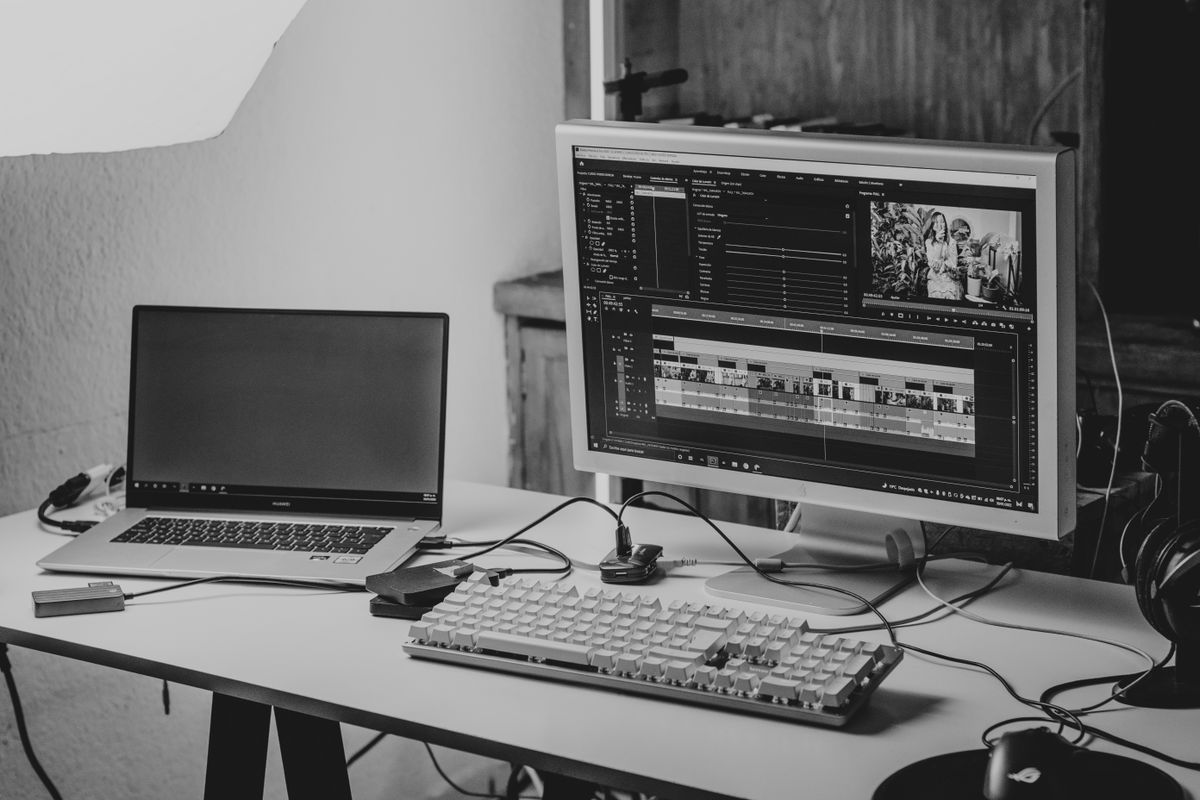
Use one model for one task and keep the setup narrow. Script a video, generate a voice track, make images, and assemble a short clip, then see where the process breaks or slows down. That gives you a cleaner comparison than testing every tool at once, and it helps you spot which model earns a place in a repeatable channel process.
The limits, risks, and what is still unclear
This story is about venture bets and paper gains, not guaranteed outcomes for creators. Anthropic’s IPO created a large unrealized return for early backers, but that does not tell you which tool will stay cheapest, fastest, or easiest to automate next quarter.
The article also leaves key questions open for practical users. It does not say how Anthropic will price access over time, how much of the developer preference will hold, or how the post-IPO market will treat AI model companies. For creators, that means you should avoid building a whole workflow around one vendor without a fallback.
What to watch in the next few weeks
Watch how developers talk about Claude after the IPO and whether that 70% usage figure keeps showing up in real workflows. Also watch whether more late-stage money keeps chasing AI model companies at the same pace, because that often affects product roadmaps, hiring, and access.
For content creators, the useful signal is not the stock price. It is whether AI tools tied to scripting, voice, images, and video keep becoming easier to use inside one workflow. If that happens, the best channel ideas will come from showing the workflow end to end, then comparing what changes when one model becomes the default.
Source: TechCrunch - How Notable Capital, GIC, and Baillie Gifford bet big on Anthropic before its IPO
Frequently asked questions
Why did Notable Capital invest so much in Anthropic early?
Notable said its team saw developers choosing Claude more often, with usage at 70% of the time in the numbers they studied. They also believed mission-critical work would keep favoring U.S.-based, closed-source models.
How much did GIC invest in Anthropic before the IPO?
GIC invested more than $4.5 billion across three rounds. That stake was described as about 1% of the company after the IPO, based on a person familiar with GIC’s financials.
What did Baillie Gifford look for before investing?
Baillie Gifford invested after seeing Anthropic execute consistently on its plan while producing strong revenue and compelling gross margins. The firm also watched Anthropic expand into legal services, life sciences, Cowork, and cybersecurity.
What should AI creators take from this IPO story?
Watch what developers use, not just what gets attention. If a model keeps showing up in real workflows, it is more likely to matter for scripting, AI voice, image generation, and video automation.