Apple’s AI health study and what it changes for creators
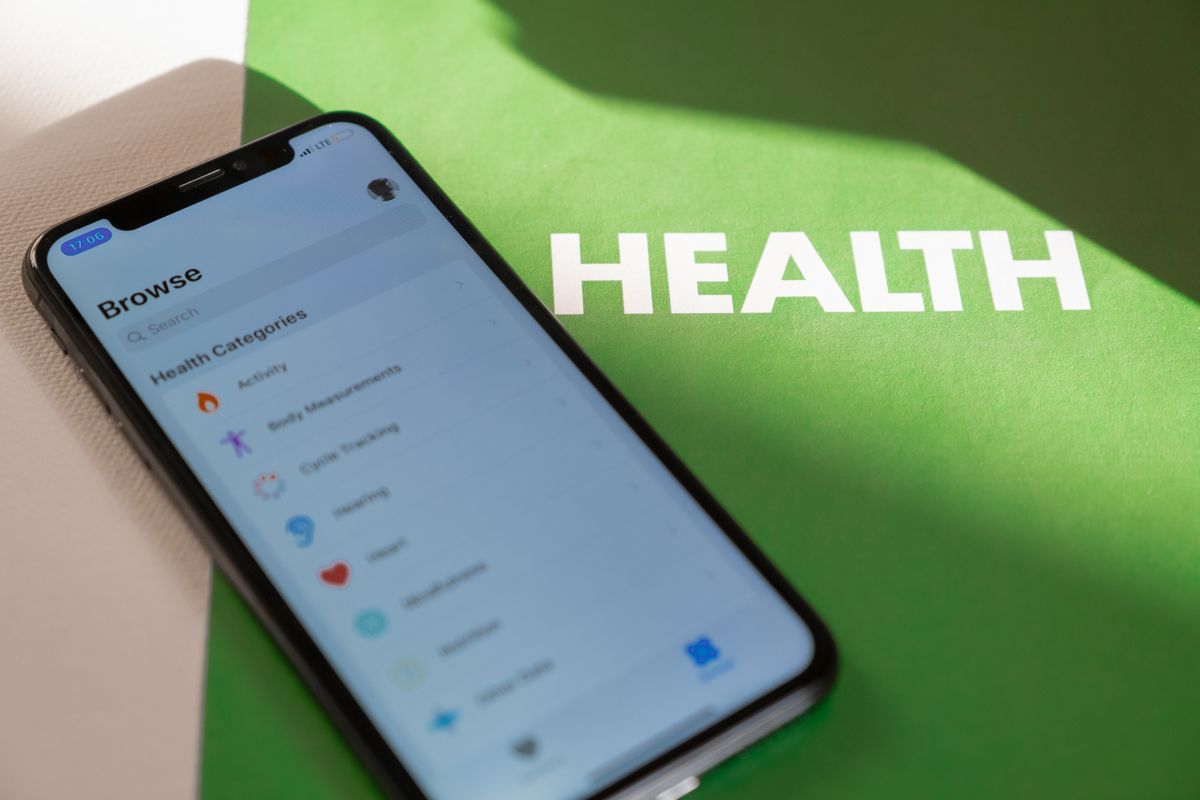
Apple launched a new study app in the U.S. on 15 November 2026 to learn how people use AI for health. The study is open to users over 21 with an iPhone 15 or later, iOS 26 or later, and Apple Intelligence enabled, and Apple says it wants up to 200,000 participants for more than 12 months.
For creators building faceless YouTube channels around AI, health, or automation, this is a signal worth watching. Apple is testing a health AI flow built around clinical sources, user feedback, and personal device data, which could shape how people expect AI answers to work inside apps, search, and mobile assistants.
What Apple launched and who can use it
According to TechCrunch, Apple is partnering with OpenEvidence to run a new study app focused on health AI. The app is available starting today for U.S. users who are over 21, use an iPhone 15 or later, run iOS 26 or later, and have Apple Intelligence turned on.
Apple said it wants to study how people ask health questions and how they react to answers grounded in clinical data. The company set the target at up to 200,000 participants and said the study will run for more than 12 months.
How the app answers health questions
The app lets users ask health-related questions in a way that looks close to how people already use ChatGPT or Claude. Apple says the answers will rely on clinical sources, including The New England Journal of Medicine, Journal of the American Medical Association, and Nature.
Apple said the app will simplify everyday medical questions and let users rate the answers and leave feedback. Participants will also take monthly surveys, which gives Apple a direct loop on what people trust, what they ignore, and where the answers feel unclear.

What this means for AI video creators
This matters for anyone making AI explainers, faceless health channels, or videos about consumer AI. Apple is showing a version of health AI where the source matters, the answer gets reviewed by the user, and the product stays tied to real-world medical material instead of generic chatbot output.
That changes the angle for content. A video about health AI can now focus on source quality, user trust, and device-level personalization instead of just prompt tricks or chatbot demos. It also gives creators a fresh topic for channels that cover AI apps, Apple products, and health tech with a practical angle.
How to test this angle on your channel now
Start with a comparison video that looks at how people ask health questions inside general chatbots versus a clinical-grounded app. Use the Apple study as the news hook, then build the rest of the script around the idea of source-backed answers, user feedback, and personal data from HealthKit.
If you run a faceless channel, use a workflow that turns the news into a script, then into a voiceover, then into visuals with app mockups, phone screens, and health dashboard shots. Viral Studio Pro AI can help turn the news into a ready video with narration, and ScriptForge AI can help shape the script from a reference topic or channel style.
- Focus on one promise: clinical grounding versus generic AI answers.
- Use screen-based visuals instead of talking-head framing.
- Build one short video and one longer explainer from the same news item.
Limits, privacy questions, and what is still unclear
Apple said the data will be anonymized before it goes to a secure third-party cloud provider, and it will not be used to train AI models. OpenEvidence deletes query and response data after 24 hours, which narrows the window for storage, but the setup still depends on a cloud flow and on user trust.
Apple also said participants can share HealthKit data such as resting heart rate, activity, sleep, or lab results for more personalized suggestions. The company said the app can help prepare people for a doctor visit and direct them to specific providers for concerning medical issues, but it is still unclear whether Apple plans to bring AI answers into the Health app or Siri.
What to watch in the next few weeks
Watch for how Apple frames the study in public and whether it expands beyond this first U.S. group. If the company shares any early findings, those details will matter for creators covering AI product strategy, health apps, and Apple Intelligence.
Also watch whether other companies respond with similar clinical-answer products or if Apple keeps this as a research-only test. OpenAI said earlier this year that users were asking over 300 million health-related queries each week, so the demand is already there, and the next move will show who tries to own that habit inside a phone.
Source: TechCrunch - Apple launches new app to study how people use AI for health
Frequently asked questions
Who can join Apple’s new AI health study app?
Apple is inviting U.S. users over 21 who have an iPhone 15 or later, iOS 26 or later, and Apple Intelligence enabled. The company said it wants up to 200,000 participants.
What sources does Apple use for the health answers?
Apple says the app grounds answers in clinical data from sources including The New England Journal of Medicine, Journal of the American Medical Association, and Nature. The goal is to simplify everyday medical questions.
Does Apple use the study data to train AI models?
Apple said the data will not be used to train AI models. It also said the data is anonymized before it is sent to a secure third-party cloud provider.
Will this show up in Siri or the Health app soon?
Apple has not said that yet. TechCrunch reports that it is still unclear whether Apple plans to release AI answering in the Health app or Siri.