Lofi YouTube channel with AI: the sub-niche that still monetizes
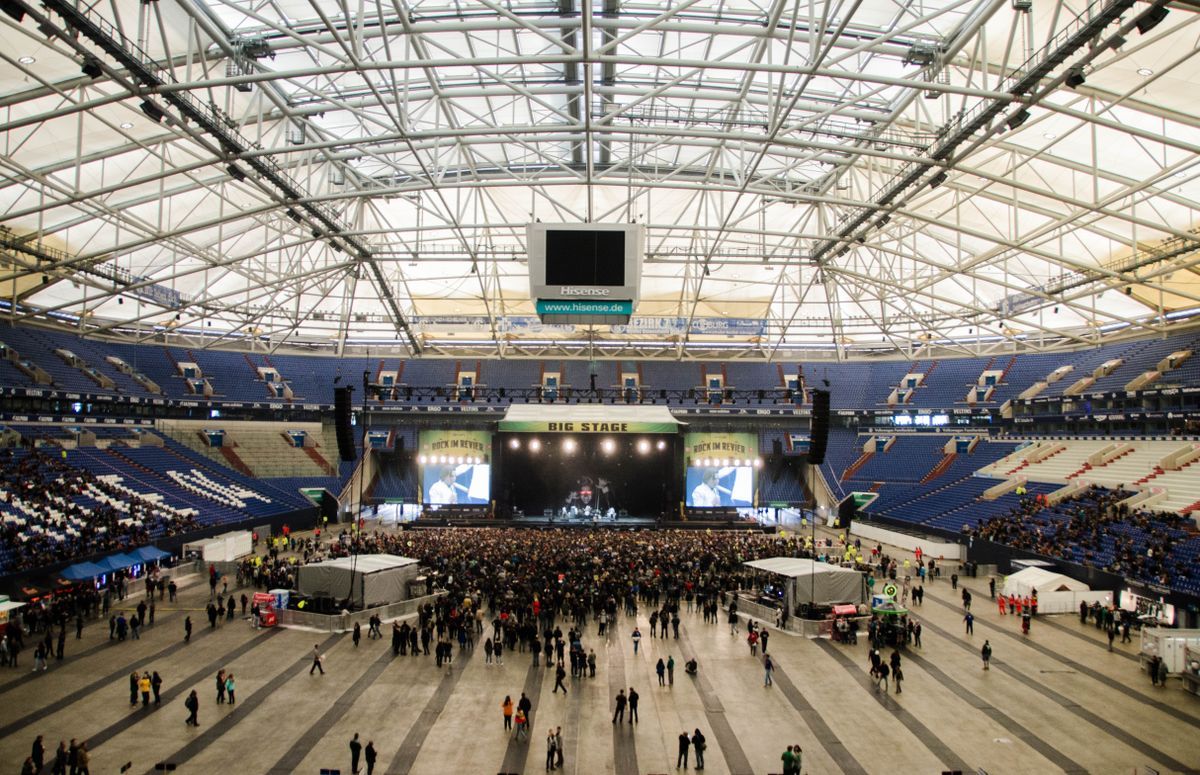
2,706,000,000 views is the kind of number that keeps pulling people into lofi. The same niche also has a tighter monetization bar now, so a generic static loop with generic beats is the weakest path.
The channels that still have room in 2026 lean on a clear micro-niche, a visual identity, and a format that feels like a real scene, not reused filler. That is where study, coding, rain, retro, and immersive environments start to matter.
Why generic lofi channels get stuck
The lo-fi world still gets massive traffic, but the easy version of the format has become crowded. A static loop with generic beats is the least viable path because the market is oversaturated and YouTube has tightened monetization guidelines, especially around inauthentic and reused content.
The channels that keep working do more than loop audio. They build a repeatable scene, a clear mood, and a reason for the viewer to stay, whether that is study, night coding, rain on the window, or a calm workspace that runs for an hour.
Pick a sub-niche before you pick the music
The strongest move is to narrow the channel before making the first video. In the material, the best options for 2026 are the ones with a clear thematic frame and a lower risk of monetization issues, especially environmental lofi and thematic micro-niches.
Environmental lofi with immersive biotopes scores high because it can blend real-life elements like rain, coffee, campfires, and narrative settings. Thematic micro-niches also work well, especially retro, synth, sci-fi, coder, gamer, and street-focused directions, because they connect with loyal tribes instead of trying to please everyone.
- Avoid famous characters if you want to monetize cleanly. The Simpsons, Dragon Ball, Mario, and Naruto can trigger copyright problems through Content ID.
- Use a channel identity that can repeat across videos. The setting stays familiar, while each scene changes inside that world.
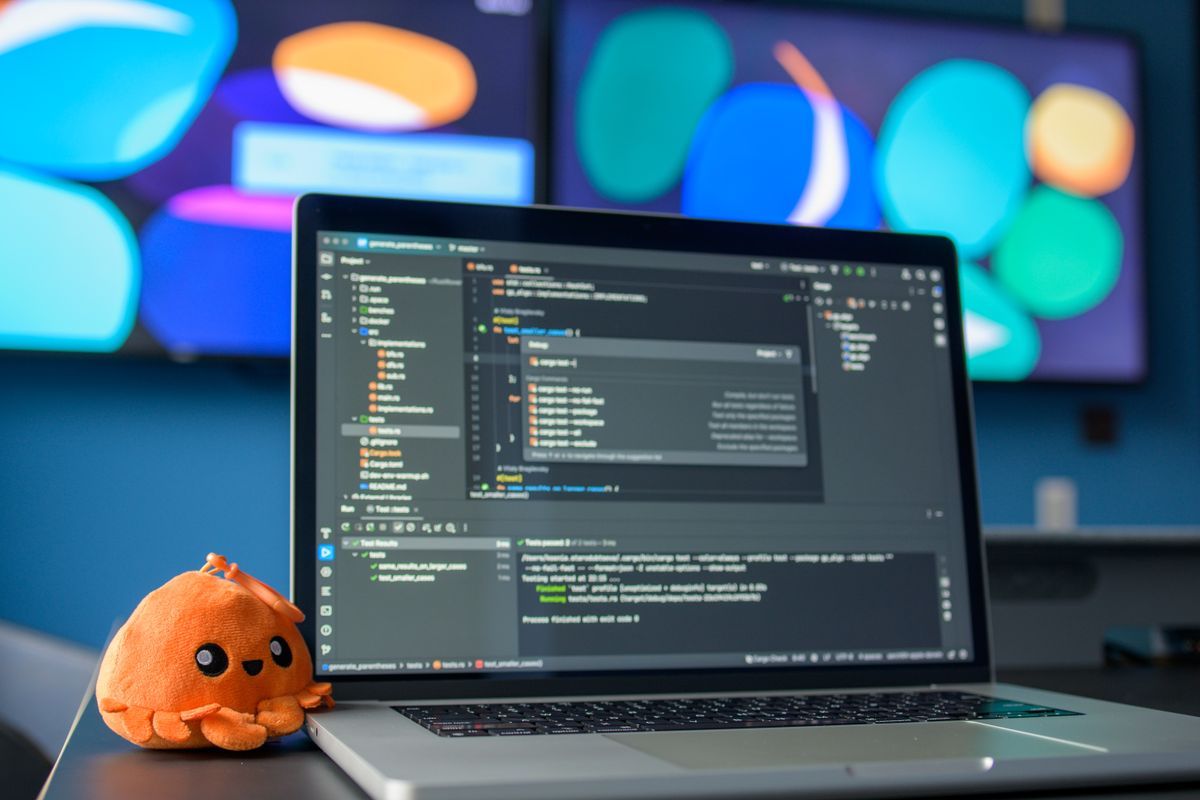
- A good example is night programming. One video can show a late work session, another a deadline night, another a city-at-2-AM scene.
 Assistir: Canal dark de lofi hip hop com IA o subnicho que ainda dá pra monetizar em 2026 passo a passo
Watch on the channel: Canal dark de lofi hip hop com IA o subnicho que ainda dá pra monetizar em 2026 passo a passo
Use AI to test the niche before you build the channel
The workflow starts with research, and AI helps narrow the options fast. ChatGPT, Claude, and Gemini can all analyze the sub-niches and return ideas, but the key is to ask for viability, competition, and monetization risk, not just a list of themes.
One useful prompt is to ask which lo-fi sub-niches are most viable in 2026 and to compare them by demand and risk. That gives you a cleaner decision than guessing based on what looks popular on YouTube search alone.
- Ask for three options only, then compare them by monetization risk.
- Push the model to think in micro-niches, not broad labels like lo-fi study music.
- Use the answer to choose one visual identity before you generate music or clips.
Build the visual identity around the scene
The material makes one point clearly, the media is the differentiator. For this kind of channel, the image and the scene do a lot of the work, because the music itself is often similar across channels.
That is why the prompt needs to say that the beginning and the end match, so the animation loops without visible cuts. A late-night coding room, a delivery night, or a quiet studio with dim lighting can repeat as the channel identity while the content inside that frame changes.
The channel in the material uses a project folder called lofi programming and works with 8-second horizontal short videos. That is a practical way to keep the visuals organized and keep each clip short enough for looping scenes.
Connect music, video, and distribution as one pipeline
A monetizable lofi channel can earn in more than one way. Views and ads are one path, but the material also shows self-promotion through Spotify links and music distribution on platforms like Apple Music and Amazon Music, where plays can pay small amounts over time.
For distribution, the material mentions DistroKid, Offstep, Music Pro, Rebeat, and Tunecore. It also notes that DistroKid and Offstep are the ones most familiar in that workflow, while still recommending that creators research what fits their case before releasing songs.
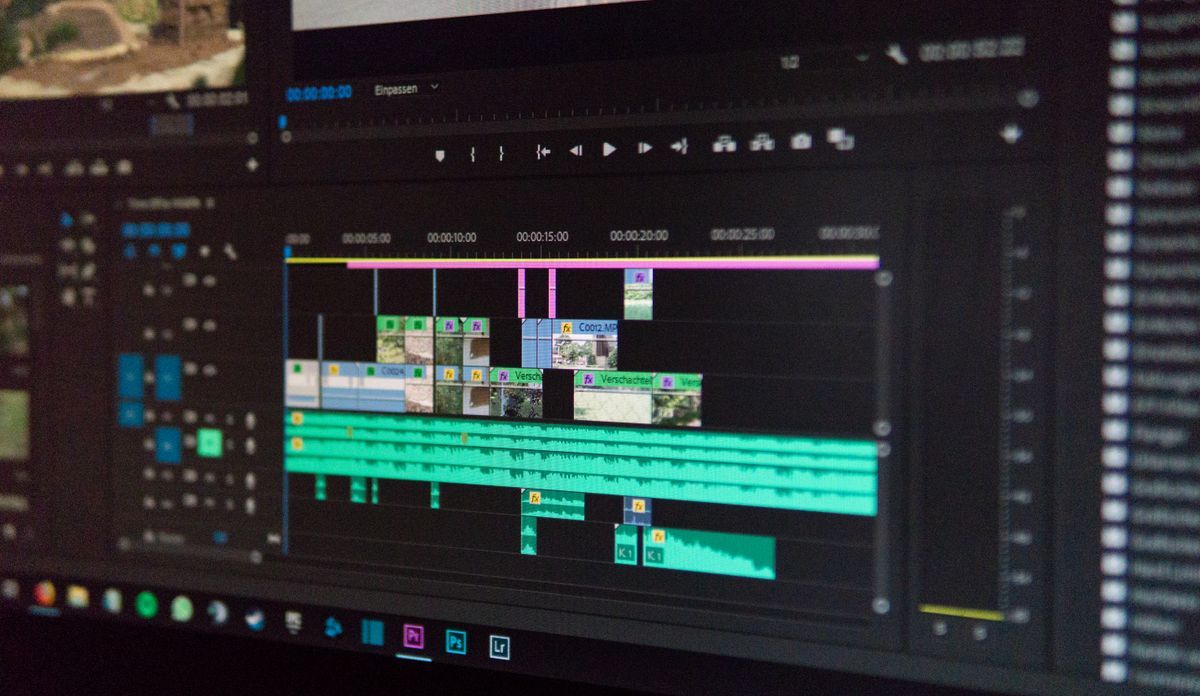
This is where the channel becomes a business pipeline. The video, the song, and the platform links all point in the same direction, so one upload can lead to views on YouTube and plays on other platforms.
Use tools that match each step of the workflow
Like Points has tools that fit the exact steps in this process. The first one to look at is Viral Niche Finder, which helps you compare niches before you spend time building a channel that has no room left.
For the production side, Flow Automations fits the clip generation step, and Auto Uploader YouTube fits the publishing step. Together they help you move from idea to upload without rebuilding the process every time.
If you already have the music and need the video ready for YouTube, Fluxo Musical turns music into a publishable video. That matches the workflow described in the material, where the visual scene is the part that separates one channel from another.
Frequently asked questions
What is the best lofi sub-niche for a monetized YouTube channel in 2026?
The material points to environmental lofi and thematic micro-niches as the strongest options. Night coding, rain, coffee, campfires, retro, synth, sci-fi, coder, gamer, and street themes all fit that direction.
Can I use anime or famous characters in a lofi channel?
You can, but the material warns about copyright risk and Content ID problems. Famous characters like The Simpsons, Dragon Ball, Mario, and Naruto can make monetization harder.
How do lofi channels make money?
The material shows three paths: YouTube views and ads, music distribution on platforms like Spotify and Apple Music, and sponsored links or self-promotion in the video or description. Some channels also use links that send traffic to released songs.
What should I ask AI before starting a lofi channel?
Ask for the most viable sub-niches in 2026, then ask for competition level and monetization risk. The goal is to get a small set of options you can actually build into a visual identity.