Humyn Labs raises $47M and tightens the robotics data race
Humyn Labs raised $47 million in Series A financing on November 18, 2026, to supply U.S. AI and robotics companies with the real-world data they need to train robots. The round includes $26 million in equity led by Accel and $21 million in venture debt led by Lighthouse Canton Growth Debt Fund II, according to TechCrunch.
For creators who follow AI tooling, this is a signal that the bottleneck has moved from model ideas to training data that captures hands, objects, rooms, and routine work. If you build content around robotics, automation, or AI operations, the practical question is now how these data pipelines get built, who pays for them, and where the work happens.
What Humyn Labs is actually selling
Humyn Labs is building the data layer for physical AI. The company uses its own two-camera hardware to record people doing everyday tasks, then runs software that processes and labels the footage so AI systems can learn from it.
The startup says it collects data across more than 20 countries in Latin America and Asia, with Brazil, India, and South Korea as its main hubs. That setup matters because robots need more than clean video clips; they need labeled movement, object interaction, and repeated examples from different environments.
Why this funding round matters for AI and robotics teams
The round gives Humyn Labs more room to scale collection, labeling, and delivery for customers that want models that work in physical spaces. The company says it has 12 paying customers, including frontier AI labs, robotics companies, and developers of world models.
About 90% of its revenue comes from the U.S., and the company says it generated $10 million in revenue between April and October. It also has another $20 million in signed contracts and a further $20 million in deals that are still not finalized. That tells you demand is already there, but the bottleneck is still supply, quality, and working capital.

How the company turns raw footage into training data
Humyn Labs does more than record video. It tracks hand movements, object interactions, and other details so the footage becomes structured data that can train models instead of sitting as plain recordings.
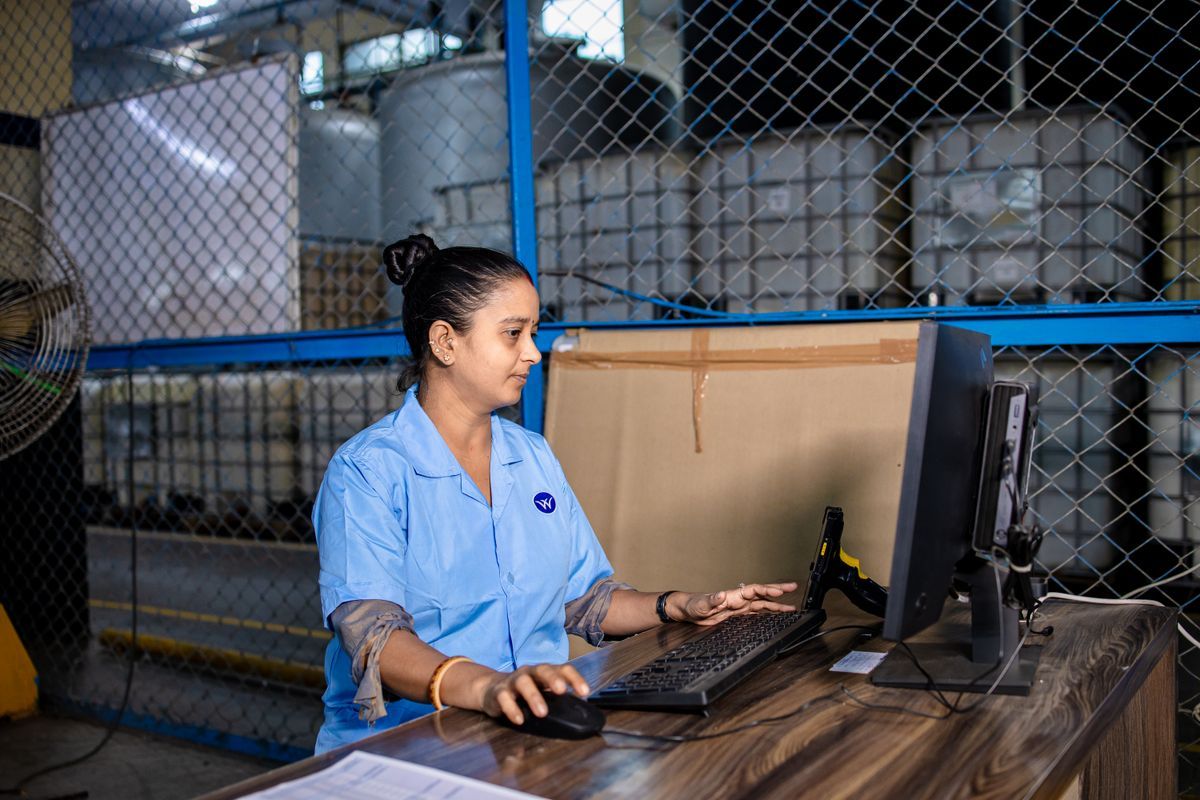
The company also leans on a contributor network that came from KGeN, the startup Agarwal and Gupta previously founded. That network helps Humyn Labs collect data inside people’s homes, using local partners to identify sites and oversee the process. For AI teams, that means the value is not just the camera rig. It is the collection workflow, the labeling system, and the partner network that keeps the pipeline moving.
What this means for faceless channels and AI production workflows
If you cover AI for YouTube, this story fits a wider pattern: the next wave of AI companies is building around inputs, not just outputs. Video generation gets attention, but robotics training depends on data collection, annotation, and repeatable operations across many locations.
That is useful for faceless creators because it gives you a concrete niche angle. You can build videos around physical AI, robotics training data, and the companies that support model development. It also gives you a clear content structure: who collects the data, how it is labeled, where it comes from, and why the money flows into both equity and debt.
- Use this story as a niche test for a faceless channel focused on physical AI, robotics, and training data.
- Build one video around the data pipeline, not the fundraising headline.
- Turn the countries, customer types, and revenue numbers into a simple visual breakdown for retention.
How to use this story now
Start by mapping the story into three content angles: robotics data collection, India as an operations hub, and the working-capital problem behind data businesses. Those angles work for long-form explainers, Shorts, and channel scripts that need a clear business story.
If you automate content production, pull the facts into a script template with a simple order: what the company does, how it collects data, what the funding includes, and what risk remains around privacy and consent. From there, you can use AI voice, AI images, and clip generation to build the video without padding the script.
The practical test is whether your audience reacts to the operational details, not just the funding number. If they do, you have a repeatable niche that can support more stories about data labor, physical AI, and robotics startups.
What still carries risk
The biggest open issue is privacy and consent. The story says the practice has already raised questions, especially when collection happens inside homes. Humyn Labs says it works with local partners and records people doing their usual work or chores instead of staged actions, but that does not remove the concern.
There is also execution risk. The company depends on daily or weekly payments to workers and partners while customers pay in 30 to 60 days, which is why the venture debt matters. If collection slows, labeling slips, or contracts do not close, the model gets harder to run at scale.
Source: TechCrunch - India’s Humyn Labs raises $47M to feed U.S. robotics companies the data they need
Frequently asked questions
What did Humyn Labs raise and who led the round?
Humyn Labs raised $47 million in Series A financing. The equity portion was $26 million led by Accel, and the venture debt portion was $21 million led by Lighthouse Canton Growth Debt Fund II.
What does Humyn Labs actually do?
It collects real-world footage of people doing everyday tasks, then uses software to process and label that footage for AI training. The company says its system tracks hands, object interactions, and other details that robots and world models can learn from.
Why does this matter for robotics companies?
Robots need data from physical environments, not just synthetic examples. This kind of collection pipeline helps companies train models on everyday movement, object handling, and household or work routines.
What should creators watch next?
Watch whether Humyn Labs closes the extra $20 million in pending deals and whether other startups copying the same model expand in India and other emerging markets. Also watch how privacy and consent questions affect collection inside homes.